top of page
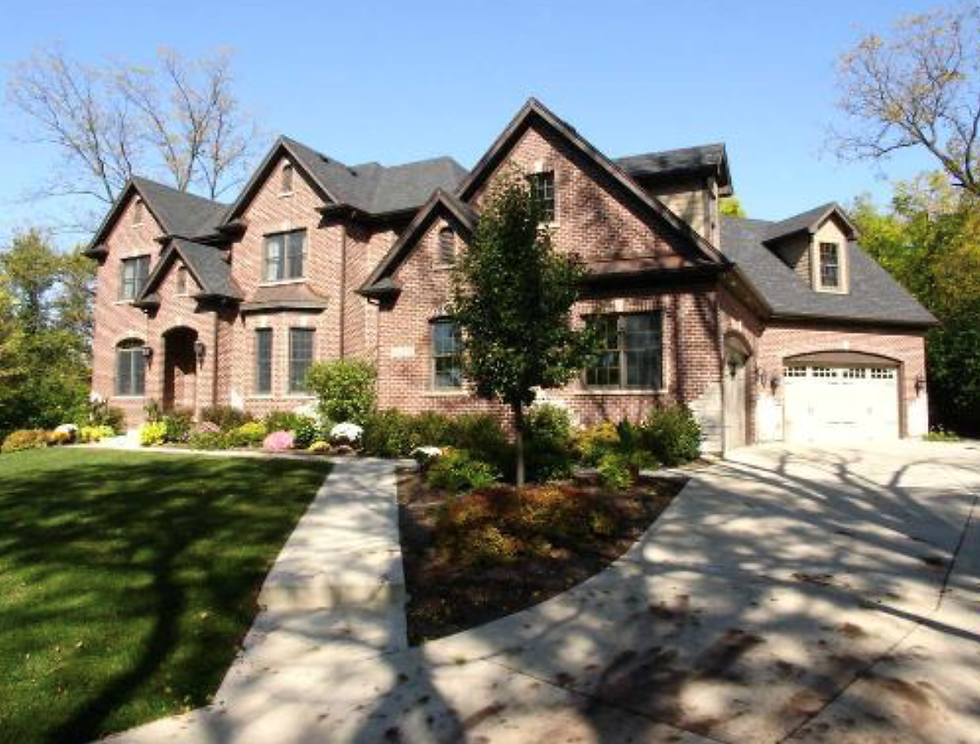
M.T.McCaw Exterior

They say you never get a second chance to make a first impression, and when it comes to your home, that first impression starts at the curb. Your home's exterior is the face it presents to the world, setting the tone for what lies beyond. If your home's curb appeal is lacking, fear not—there are plenty of ways to transform your exterior from drab to fab with a little creativity and elbow grease. Below are some curb appeal makeover ideas to breathe new life into your home's exterior and make a lasting impression on visitors and passersby alike.


1. Freshen Up with Paint:

Description: A fresh coat of paint can work wonders for revitalizing your home's exterior and giving it a whole new look.

Key Tips:

  • Choose a Color Scheme: Select a color scheme that complements your home's architectural style and blends harmoniously with the surrounding landscape.

  • Accent Features: Consider adding pops of color to accent features such as the front door, shutters, or trim for added visual interest.

  • Don't Forget the Details: Pay attention to details like window frames, railings, and porch columns to ensure a cohesive look.

2. Upgrade Your Front Door:

Description: Your front door is a focal point of your home's exterior and a prime opportunity to make a statement.

Key Tips:

  • Opt for a Bold Color: Choose a bold, eye-catching color for your front door to create a striking focal point.

  • Add Architectural Interest: Consider upgrading to a door with decorative glass panels, sidelights, or transoms to add architectural interest.

  • Accessorize: Enhance your front door with stylish hardware, such as door handles, knobs, and knockers, that complements your home's overall aesthetic.

3. Enhance Landscaping:

Description: Well-manicured landscaping can greatly enhance your home's curb appeal and create a welcoming atmosphere.

Key Tips:

  • Lush Greenery: Plant colorful flowers, shrubs, and trees to add texture, color, and depth to your landscaping.

  • Define Walkways: Line pathways and driveways with plants or hardscaping elements like pavers or stones to create a sense of structure and guide visitors to your front door.

  • Consider Maintenance: Choose low-maintenance plants and landscaping features that will continue to look beautiful with minimal upkeep.

4. Upgrade Exterior Lighting:

Description: Thoughtfully placed exterior lighting not only enhances safety and security but also adds visual interest to your home's exterior.

Key Tips:

  • Illuminate Pathways: Install path lights or lanterns along walkways and driveways to guide visitors and create a welcoming ambiance.

  • Highlight Architectural Features: Use spotlights or uplights to highlight architectural features such as columns, dormers, or intricate facades.

  • Consider LED Technology: Opt for energy-efficient LED lighting options that provide ample illumination while reducing energy costs.

5. Add Architectural Details:

Description: Architectural details can add character and charm to your home's exterior, making it stand out from the crowd.

Key Tips:

  • Install Window Boxes: Enhance your windows with charming window boxes filled with seasonal flowers or greenery for a touch of cottage-inspired charm.

  • Add Shutters: Install decorative shutters on your windows to add depth and visual interest to your home's facade.

  • Consider Exterior Molding: Install exterior molding or trim around windows, doors, and eaves to add architectural detail and create a polished, finished look.

6. Upgrade Garage Doors:

Description: Your garage door occupies a significant portion of your home's exterior, making it an important design element to consider.

Key Tips:

  • Choose a Style That Matches Your Home: Select a garage door style that complements your home's architectural style and enhances its overall aesthetic.

  • Consider Materials: Choose durable, low-maintenance materials such as steel, fiberglass, or composite for your garage door for longevity and visual appeal.

  • Add Windows or Decorative Hardware: Customize your garage door with windows or decorative hardware for added style and visual interest.

With a little creativity and attention to detail, you can transform your home's exterior from drab to fab and create a stunning first impression that reflects your personal style and enhances your home's overall curb appeal. Whether you choose to freshen up with paint, upgrade your front door, enhance landscaping, or add architectural details, these curb appeal makeover ideas will help you achieve a beautiful and welcoming exterior that you can be proud of. So roll up your sleeves, gather your tools, and get ready to give your home the curb appeal makeover it deserves!


Remodeling your kitchen is an exciting opportunity to transform one of the most important spaces in your home into a stylish and functional hub for cooking, dining, and entertaining. As you embark on this journey, one of the first decisions you'll face is choosing a design style that reflects your personal taste and complements your lifestyle. Explore some of the main kitchen styles to consider, from timeless classics to contemporary trends. M.T.McCaw can help you find inspiration for your next remodeling project.


M.T.McCaw Custom Kitchen

1. Traditional Kitchen:

Description: Traditional kitchens exude warmth, elegance, and timeless charm. Characterized by rich wood tones, intricate detailing, and classic elements, this style embraces traditional craftsmanship and heritage-inspired design.

Key Features:

  • Raised-panel cabinetry with ornate detailing

  • Decorative molding and trim

  • Natural stone countertops, such as granite or marble

  • Antique-inspired fixtures and hardware

  • Warm color palettes, including shades of cream, beige, and taupe

  • Cozy and inviting atmosphere with emphasis on comfort and familiarity

Best For: Homeowners who appreciate classic elegance and prefer a kitchen that exudes warmth and sophistication.

2. Modern Kitchen:

Description: Sleek, minimalist, and effortlessly chic, modern kitchens are all about clean lines, streamlined aesthetics, and innovative materials. This style embraces simplicity, functionality, and the latest design trends.

Key Features:

  • Flat-panel or slab-style cabinetry with minimalist hardware

  • Quartz or concrete countertops for a sleek, contemporary look

  • High-gloss finishes and reflective surfaces

  • Integrated appliances and hidden storage solutions

  • Neutral color palettes with bold accents for visual interest

  • Open-concept layouts that emphasize space and light

Best For: Homeowners with a preference for contemporary design and a desire for a kitchen that feels fresh, streamlined, and effortlessly stylish.

3. Transitional Kitchen:

Description: Combining the best of both worlds, transitional kitchens strike a balance between traditional elegance and modern simplicity. This style blends classic elements with contemporary touches to create a timeless yet updated look.

Key Features:

  • Shaker-style cabinetry with clean lines and simple profiles

  • Mixed materials, such as wood, stone, and metal, for visual contrast

  • Neutral color schemes with pops of color or texture for depth

  • Understated yet sophisticated lighting fixtures

  • Transitional hardware that bridges the gap between traditional and modern styles

  • Flexible layouts that accommodate both formal and informal dining and entertaining

Best For: Homeowners who appreciate classic design elements but also crave the functionality and aesthetics of modern living spaces.

4. Farmhouse Kitchen:

Description: Rustic, charming, and full of character, farmhouse kitchens evoke the warmth and simplicity of country living. Inspired by rural farmhouses and country cottages, this style celebrates natural materials, vintage accents, and cozy, welcoming spaces.

Key Features:

  • Weathered or distressed wood cabinetry with open shelving and glass-front doors

  • Butcher block or reclaimed wood countertops for a rustic touch

  • Apron-front or farmhouse sinks with traditional fixtures

  • Exposed beams, shiplap walls, and reclaimed wood accents

  • Vintage-inspired lighting fixtures, such as pendant lights or lanterns

  • Neutral color palettes with soft, muted tones and vintage-inspired hues

Best For: Homeowners who appreciate rustic charm, natural textures, and a relaxed, casual vibe in their kitchen.

5. Contemporary Kitchen:

Description: Bold, avant-garde, and on the cutting edge of design, contemporary kitchens push the boundaries of traditional style with innovative materials, sleek finishes, and striking accents. This style embraces experimentation and embraces the latest trends in architecture and interior design.

Key Features:

  • High-gloss or matte lacquer cabinetry in bold colors or dramatic finishes

  • Quartz or stainless steel countertops for a sleek, industrial look

  • Geometric shapes, asymmetrical layouts, and avant-garde design elements

  • Statement lighting fixtures, such as sculptural pendants or oversized chandeliers

  • High-tech appliances and integrated smart home technology

  • Monochromatic color schemes with pops of vibrant color or metallic accents

Best For: Homeowners who crave cutting-edge design, embrace innovation, and seek to make a bold statement with their kitchen remodel.

Choosing a kitchen style is a deeply personal decision that reflects your individual taste, lifestyle, and design preferences. Whether you're drawn to the timeless elegance of traditional design, the sleek simplicity of modern aesthetics, or the rustic charm of farmhouse living, there's a kitchen style to suit every homeowner's vision. By exploring these main styles and identifying elements that resonate with you, you can embark on your kitchen remodeling journey with confidence and inspiration. Happy remodeling!


Home Safety during Remodel

M.T.McCaw takes the safety of you and your family extremely seriously when renovating your home! As a parent, creating a safe and child-friendly environment in your home is a top priority. Whether you're planning a full-scale renovation or making minor updates, it's essential to consider the unique needs of your little ones to ensure their safety and well-being. We've put together a quick list of features to consider when remodeling your home that will keep you and your children out of harms way!

1. Childproofing Basics:

a. Install Safety Gates:

Secure staircases and other hazardous areas with safety gates to prevent accidental falls. Choose gates that are sturdy, easy to install, and meet safety standards.

b. Cover Electrical Outlets:

Install outlet covers or tamper-resistant receptacles to prevent curious fingers from accessing electrical outlets. This simple yet effective measure reduces the risk of electrical shocks and injuries.

c. Anchor Furniture:

Secure heavy furniture such as bookcases, dressers, and TVs to the wall to prevent tip-over accidents. Use furniture straps or anchors to ensure stability and minimize the risk of injury.

2. Flooring and Surfaces:

a. Choose Non-Slip Flooring:

Opt for flooring materials that offer traction and stability, such as carpet, rubber, or slip-resistant tiles. Avoid glossy or slippery surfaces, especially in high-traffic areas and playrooms.

b. Soften Sharp Edges:

Cushion sharp edges and corners of furniture, countertops, and hearths with corner guards or edge bumpers. These softeners help prevent bumps and bruises during active play.

c. Consider Washable Surfaces:

Select easy-to-clean and stain-resistant materials for floors, countertops, and walls. This simplifies maintenance and ensures hygienic living spaces, especially in areas prone to spills and messes.

3. Kitchen and Bathroom Safety:

a. Childproof Cabinets and Drawers:

Install safety latches or locks on cabinets and drawers to prevent access to cleaning supplies, sharp objects, and hazardous materials. Keep toxic substances out of reach or in locked cabinets.

b. Temperature Control Devices:

Install anti-scald devices on faucets and water heaters to regulate water temperature and prevent burns. Set water heaters to a maximum temperature of 120°F (48°C) to avoid scalding accidents.

c. Secure Appliances:

Use stove knob covers to prevent accidental burns or gas leaks. Keep small appliances out of reach when not in use, and use safety locks or appliance straps to secure heavy appliances like refrigerators and dishwashers.

4. Window and Door Safety:

a. Install Window Guards and Locks:

Prevent falls from windows by installing window guards or safety screens on upper-level windows. Use window locks or restrictors to control the opening width and prevent accidental openings.

b. Childproof Blinds and Curtains:

Replace corded window coverings with cordless alternatives to eliminate strangulation hazards. Choose blinds and curtains with cordless designs or inaccessible cords for enhanced safety.

c. Secure Exterior Doors:

Install secure locks and deadbolts on exterior doors to prevent unauthorized access and enhance home security. Consider adding door alarms or sensors for added peace of mind.

5. Outdoor Play Spaces:

a. Choose Kid-Friendly Materials:

Select durable and non-toxic materials for outdoor play structures, such as wooden swing sets, slides, and sandboxes. Avoid rough or splintered surfaces that may cause injuries.

b. Maintain Supervision:

Ensure adequate supervision when children are playing outdoors, especially near swimming pools, hot tubs, or other water features. Establish clear rules and boundaries to promote safe play.

c. Create a Safe Play Zone:

Designate a dedicated play area with soft ground coverings like mulch or rubber mats to cushion falls. Regularly inspect outdoor equipment for wear and tear, and repair or replace damaged components as needed.

Renovating your home with child safety in mind is a proactive step towards creating a secure and nurturing environment for your family. By incorporating these essential considerations into your renovation plans, you can minimize potential hazards and create a space where your children can explore, learn, and grow safely. From childproofing basics to kitchen and bathroom safety measures, every detail plays a crucial role in ensuring your home is child-friendly and conducive to happy, healthy childhoods. Prioritize safety first, and enjoy peace of mind knowing that your home is a haven where your children can thrive.


bottom of page